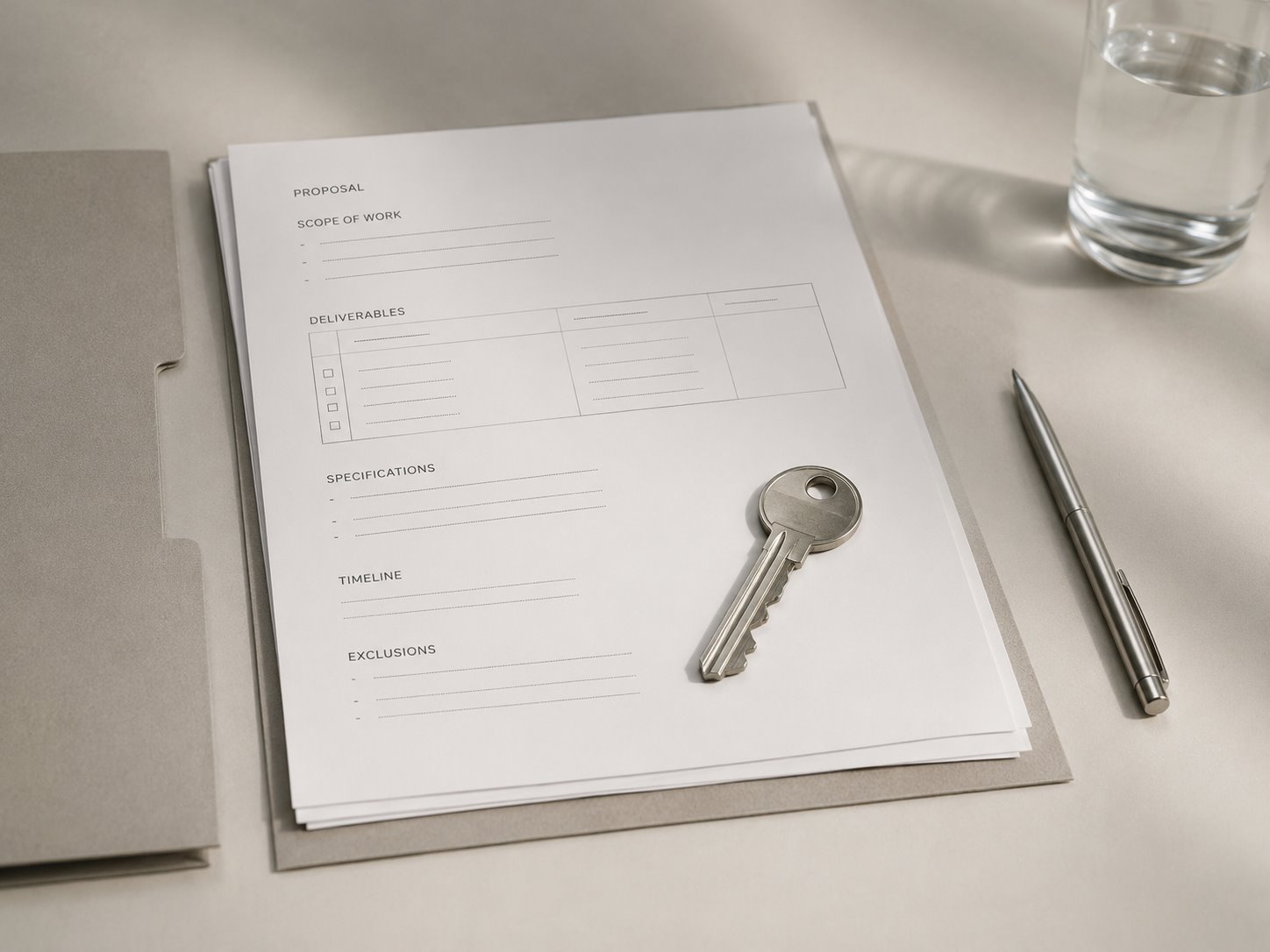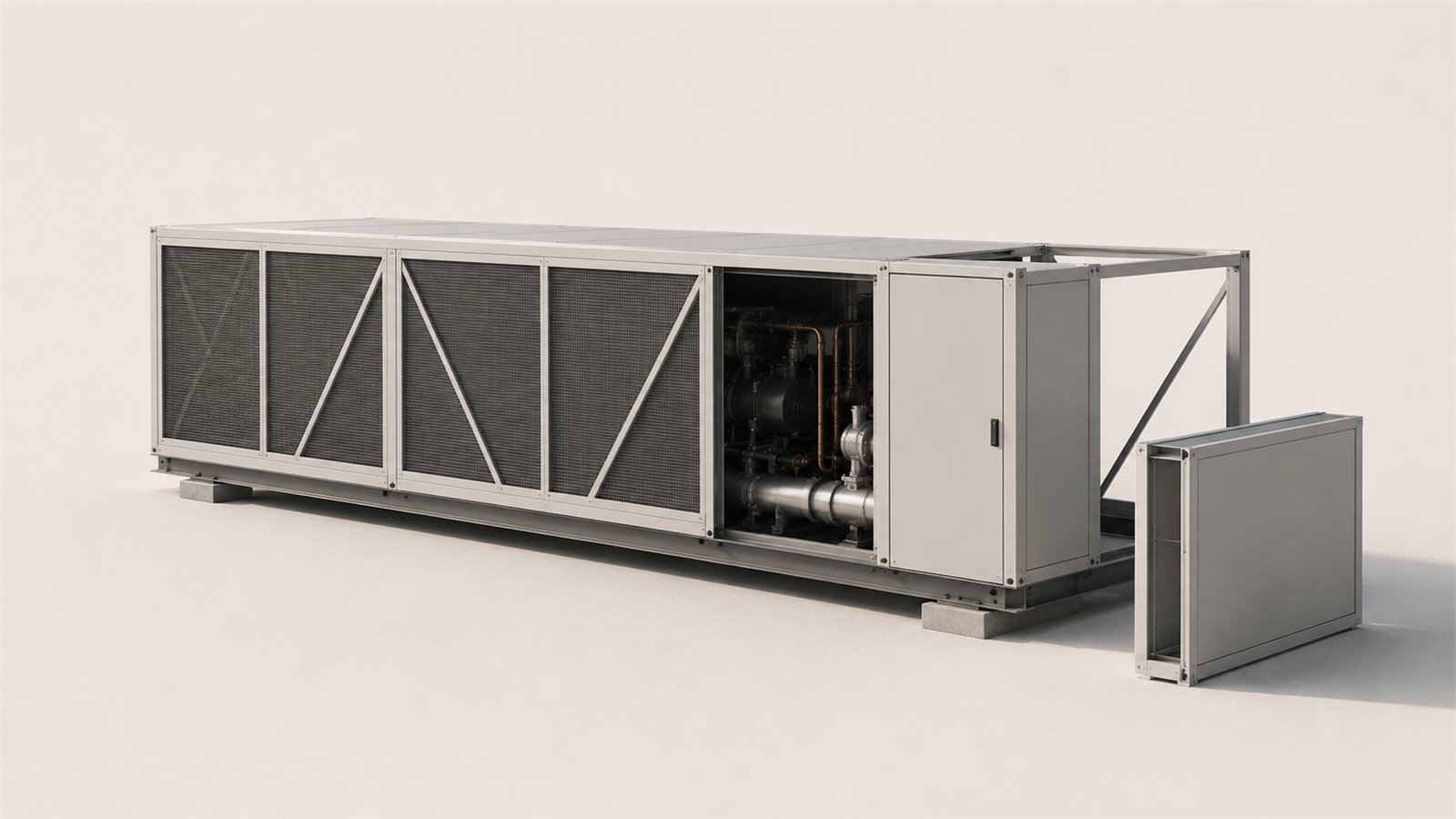
There is a phrase in engineering projects that almost always sounds reassuring: ‘We’ll do it this way for now and refine it later.’ In a meeting, it sounds like a compromise. In the cost estimate, a saving. In the programme, a way to keep construction moving.
But in day-to-day operation, that ‘later’ very often becomes the most expensive part of the solution.
The magic word ‘later’
Construction is almost always under pressure. Budgets are limited. Deadlines are tightening. The client wants the facility up and running sooner. Contractors are waiting for decisions. At some point, it becomes tempting to put some engineering issues aside.
The logic seems clear: the priority is to get up and running now; controls, balancing, operating modes, supervisory control or training for the operations team can be completed later.
The problem is that in engineering, ‘later’ almost never means simply later. More often, it means more expensive, more complicated and under pressure from a business that is already operating.
Why engineering does not take kindly to deferred decisions
If a wall needs moving after a refurbishment is complete, everyone understands that it will be expensive. Reworking a façade is expensive. Relaying tiles is expensive too.
Yet when it comes to building services, many people still believe they can be ‘tweaked’ painlessly after start-up.
- add controls later;
- balance the system later;
- configure operating modes later;
- implement supervisory control later;
- train the operations team later;
- think about energy efficiency later.
In practice, this rarely remains just a technical checklist. Every item affects comfort, costs, breakdown risk and the ability to manage the facility.
Temporary very quickly becomes permanent
I have seen buildings where ‘temporary’ lasted ten years. Temporary settings. Temporary operating modes. Temporarily disabled controls. A temporarily open bypass. A temporary decision that no one even remembers any more.
The greatest danger is not even that the decision was wrong. It is that it has become invisible. It has become part of the facility’s normal operation.
A temporary solution becomes truly expensive when everyone gets used to treating it as normal.
Savings first, losses later
The result is a paradox. At the start of a project, you save, say, ten thousand dollars. Then, over the years, you lose far more — not as a single sum, but almost unnoticed.
- through unnecessary energy consumption;
- through complaints from tenants or customers;
- through manual intervention by staff;
- through emergency call-outs;
- through rework in an occupied building;
- through damage to the facility’s reputation.
This is particularly evident in commercial property: shopping centres, office buildings, restaurants and fitness clubs. There, building services do not exist in isolation from the business. They directly affect how people use the facility and how much it costs to operate.
Compromise is not the problem
Of course, no project is perfect. No construction project is without compromise. No budget is unlimited. But there is a big difference between a compromise and a deferred problem.
A compromise is a conscious decision. Everyone understands exactly what is being simplified, what the risks are, who is responsible and when the issue needs to be revisited.
A deferred problem is something else. It is the hope that someone will eventually find the time, money and motivation to fix something that has already become part of an operating facility.
If a decision has no named person responsible, no deadline and no clear cost for revisiting it, it is not a compromise. It is a future loss that has simply not yet been invoiced.
Design for operation, not just start-up
Over twenty years of work, I have become increasingly convinced of one simple truth: the cheapest solution is not the one that costs less today. It is the one that will not need to be reworked tomorrow.
Good engineering does not come from thinking only about opening day. It comes from thinking about how the facility will operate in one, three or five years’ time.
Because the most expensive engineering solution is not necessarily a complex one. Nor is it necessarily expensive equipment.
The most expensive solution is the one you planned from the outset to finish later.